
Building a Medical Emergency Response Plan for Emergency Response in Healthcare

When a medical emergency strikes, every second counts. Having a well-thought-out plan can make a significant difference in outcomes, especially for families caring for aging parents, terminally ill loved ones, cancer patients, chronic illness fighters, or those recovering from surgery. I’ve learned that preparing ahead not only reduces panic but also ensures that help arrives quickly and efficiently. In this post, I’ll guide you through building a reliable medical emergency response plan tailored to your unique needs.
Understanding Emergency Response in Healthcare
Emergency response in healthcare is about more than just calling 911. It involves a coordinated approach to managing unexpected medical situations, ensuring that the right care is delivered promptly. This includes recognizing symptoms early, knowing who to contact, and having essential information readily available.
For example, if your loved one has a history of heart problems, your plan should include recognizing signs of a heart attack, knowing the nearest hospital with a cardiac unit, and having emergency contacts on speed dial. The goal is to minimize delays and confusion during critical moments.
Key Components of an Effective Emergency Response Plan
Emergency Contacts List: Include family members, doctors, local emergency services, and neighbors.
Medical Information Sheet: Document allergies, medications, medical history, and current treatments.
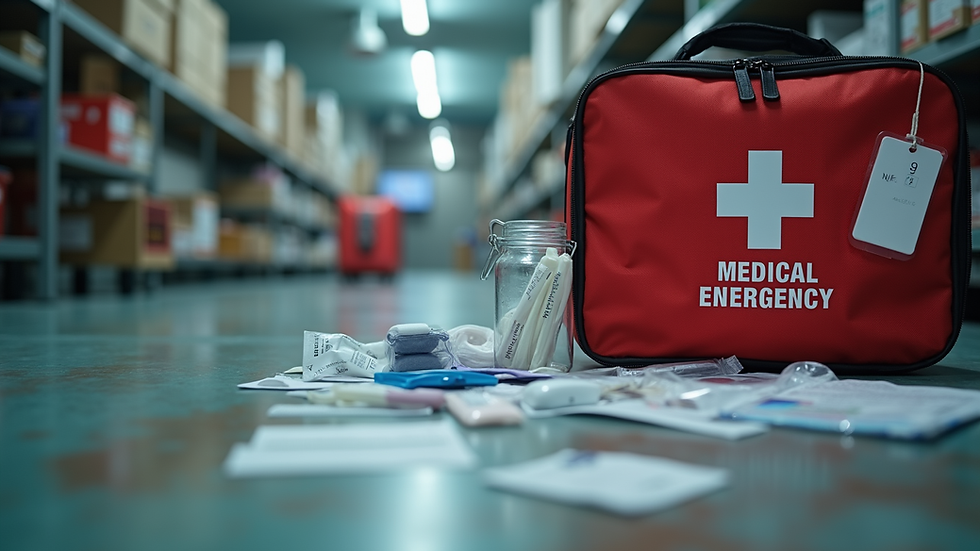
Emergency Kit: Stock with necessary medications, first aid supplies, and any specialized equipment.
Communication Plan: Decide who will notify whom and how, especially if multiple caregivers are involved.
Training: Basic first aid and CPR knowledge can be lifesaving.
Having these elements in place creates a safety net that supports quick and effective action.
How do you respond to a medical emergency?
Knowing how to respond when an emergency occurs is crucial. The first step is to stay calm and assess the situation. Panic can cloud judgment, but a clear mind helps you act decisively.
Assess the Situation: Check if the person is conscious, breathing, and if there are any visible injuries.
Call for Help: Dial emergency services immediately if the situation is life-threatening.
Provide First Aid: If trained, administer CPR or control bleeding while waiting for professional help.
Gather Information: Be ready to provide the dispatcher with details such as the person’s condition, location, and medical history.
Stay with the Person: Offer reassurance and monitor their condition until help arrives.
For those caring for someone with chronic illness or post-surgery recovery, recognizing early warning signs can prevent emergencies. For instance, sudden shortness of breath or chest pain should prompt immediate action.

Creating a Personalized Emergency Response Plan
Every family’s needs are different, so your plan should reflect your specific circumstances. Here’s how to tailor it:
Identify Risks: Consider the medical conditions and potential emergencies your loved one might face.
Map Out Resources: Know the nearest hospitals, urgent care centers, and pharmacies.
Assign Roles: Decide who will handle calls, who will provide care, and who will manage logistics.
Prepare Documentation: Keep medical records, insurance information, and advance directives accessible.
Practice the Plan: Regularly review and rehearse the steps with everyone involved.
For example, if your loved one uses oxygen therapy, ensure backup supplies are available and caregivers know how to operate the equipment safely.
The Importance of Communication and Training
Clear communication is the backbone of any emergency response plan. Everyone involved must understand their responsibilities and know how to act. This reduces confusion and speeds up response times.
Training is equally important. Basic first aid and CPR courses empower family members to provide immediate assistance. Many community centers and healthcare providers offer these classes. Additionally, familiarize yourself with any medical devices your loved one uses.
Regularly updating your plan and training ensures you stay prepared as health conditions change.
Leveraging Technology in Emergency Response
Technology can enhance your emergency response plan. Smartphones, medical alert systems, and health apps provide quick access to help and vital information.
Medical ID on Smartphones: Allows first responders to access critical health info without unlocking the phone.
Emergency Alert Devices: Wearable devices can automatically notify emergency contacts if a fall or other incident occurs.
Health Monitoring Apps: Track vital signs and medication schedules, alerting caregivers to potential issues.
Integrating these tools can provide peace of mind and improve response efficiency.
Staying Prepared and Confident
Building a medical emergency response plan is an ongoing process. It requires attention, updates, and practice. But the effort pays off by creating a safer environment for those you care about.
Remember, emergencies are unpredictable, but your response doesn’t have to be. By preparing thoughtfully, you can face medical crises with confidence and calm.
If you want to learn more about how to develop a comprehensive medical emergency response plan, resources are available to guide you every step of the way.
Taking these steps ensures that when the unexpected happens, you are ready to act swiftly and effectively. Your loved ones deserve nothing less than the best care possible, especially in moments of crisis.


Comments